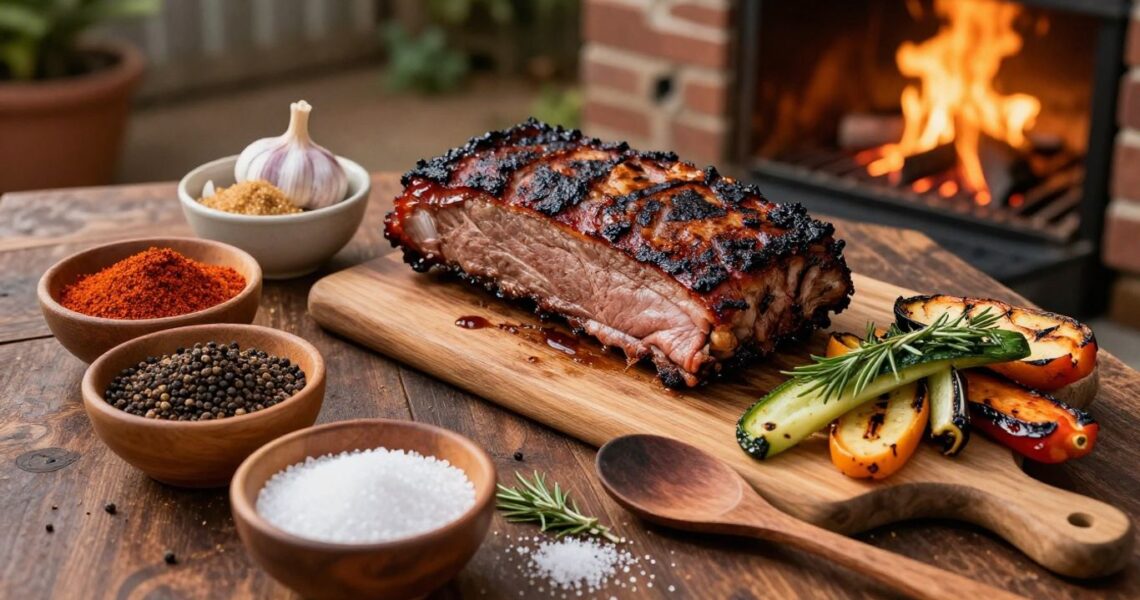
BBQ rubs made easy: How to create flavorful blends for every cut of meat
September 16, 2026Key Takeaways
Good BBQ rubs begin with a few dependable ingredients and a clear sense of balance. We can adjust the blend for the meat, cooking method, and flavours we enjoy most.
- Start with salt, sugar, paprika, and spices, then adjust gradually.
- Use fresh, dry ingredients for a cleaner and fuller flavour.
- Match stronger rubs with beef and gentler blends with seafood or vegetables.
- Apply an even coating and manage heat carefully, especially when sugar is present.
- Store homemade blends in airtight containers and label each batch.
Start with the essential BBQ rub ingredients
A BBQ rub is simply a dry mixture that seasons the outside of food before it meets the grill, smoker, or oven. We do not need a long ingredient list to create depth; a handful of well-chosen spices can do plenty. The trick is understanding what each ingredient contributes, then building a blend that supports rather than hides the meat.
Understand the role of salt, sugar, and spices
Salt sharpens the natural flavour of meat, while sugar brings sweetness and can help the surface brown. Spices provide personality, from peppery warmth to earthy, smoky, or aromatic notes. We should treat salt and sugar as structural ingredients and add more distinctive spices in smaller amounts so the mixture remains balanced.
Choose fresh spices for better flavor
Spices lose aroma as they sit, particularly once opened and exposed to air. We can check freshness by rubbing a little between our fingers and smelling it; a faint or dusty aroma usually means the flavour will be muted. Buying modest quantities and replacing tired spices gives homemade BBQ rubs a noticeably brighter result.
Balance sweet, savory, smoky, and spicy notes
A satisfying rub moves across several flavour groups instead of pushing one note too hard. Sweetness can soften heat, smoke can add depth, and savoury ingredients can give the blend a more rounded finish. We can taste a tiny pinch before using it, remembering that the final flavour will be gentler once spread across meat.
Adapt the blend for dietary preferences
Homemade rubs make it easier to control ingredients that may not suit everyone at the table. We can leave out sugar, reduce salt, or choose spices without unnecessary additives while keeping the blend aromatic. When cooking for guests, it is sensible to label any particularly hot mixture and keep the seasoning separate until preferences are clear.
Use a simple formula to build your own rub
We can create a reliable blend without memorising a complicated recipe. Begin with a base, add colour and character, then make small changes after tasting. This approach gives us a repeatable method while leaving plenty of room for regional BBQ styles and personal preference.
Create a balanced base ratio
A useful starting point is to think in parts rather than fixed measurements. We might use four parts paprika, two parts salt, two parts brown sugar, one part black pepper, and one part garlic or onion powder, then adjust the balance for the food we are cooking. The exact ratio is less important than adding changes gradually and recording what works.
Add paprika for color and depth
Sweet paprika gives a warm red colour with a mild flavour, while smoked paprika contributes a deeper, wood-like character. Using one or both lets us shape the rub without relying only on chilli for intensity. Paprika also helps distribute stronger spices through the mixture, making each pinch more consistent.
Layer in herbs, aromatics, and warm spices
Garlic powder, onion powder, oregano, thyme, cumin, mustard powder, and ground coriander can each shift the blend in a different direction. We should add one or two at a time rather than emptying the spice rack into the bowl. For a clearer formula, we can think of the ingredients this way:
| Ingredient group | What it contributes | Examples |
|---|---|---|
| Base seasonings | Salty, savoury foundation | Salt, black pepper |
| Colour and sweetness | Browning and warmth | Paprika, brown sugar |
| Aromatics | Familiar savoury depth | Garlic, onion |
| Herbs and warm spices | Character and complexity | Thyme, cumin, coriander |
After mixing, we can smell the blend and look for a clear overall direction rather than one ingredient dominating. If it seems flat, a little pepper or aromatic spice may help; if it feels busy, returning to the base ingredients can restore focus.
Adjust the blend to suit your preferred BBQ style
For a smoky cook, we can increase paprika and black pepper, while a sweeter backyard-style blend may suit extra brown sugar. A chilli-forward mixture works well when heat is the main attraction, but we should keep enough salt and savoury notes to stop it tasting one-dimensional. Make small test batches before committing a full jar.
Match BBQ rubs to different meats
Different cuts ask for different levels of seasoning. A robust beef cut can stand up to assertive pepper and smoke, while delicate seafood needs a lighter touch. We can use the rub as a frame for the meat’s flavour, not a blanket that covers it completely.
Build a rub for beef and brisket
Beef and brisket generally suit bold flavours such as coarse pepper, garlic, onion, paprika, and a restrained amount of sugar. For a long cook, we can keep the blend savoury and allow the meat’s natural richness to lead. A simple, peppery rub is often easier to judge than one crowded with competing spices.
Choose complementary flavors for pork
Pork works comfortably with sweet, smoky, fruity, and warming flavours. Brown sugar, paprika, mustard powder, fennel, or a small amount of chilli can complement ribs, shoulder, and chops. We should consider the cut: a lean chop may need a gentler blend, while a rich shoulder can carry more spice.
Create a lighter blend for chicken and turkey
Poultry benefits from seasoning that reaches beyond the surface without becoming harsh. Paprika, garlic, onion, black pepper, thyme, and a little sugar create colour and savoury depth without overwhelming the meat. We can use less salt than we would for a large, strongly flavoured beef cut and pay close attention to the thinner areas.
Season seafood and vegetables without overpowering them
Seafood and vegetables usually need a lighter coating and a shorter seasoning time. Lemon-like herbs, paprika, garlic, pepper, and mild chilli can add interest while allowing the main ingredient to remain recognisable. We should avoid burying moist surfaces under a thick layer, particularly when grilling foods that cook quickly.
Apply BBQ rubs for the best results
A good rub still needs thoughtful application. We want the seasoning to cling evenly, stay dry enough to form a crust, and support the cooking method we have chosen. A few minutes of preparation can make the final surface more consistent from edge to edge.
Prepare the meat before seasoning
We can trim unwanted excess fat, pat the surface dry, and place the meat on a clean tray before opening the rub. A dry surface helps the spices adhere, while a thin coating of oil can be useful when the meat is especially lean. We should wash our hands and tools after handling raw meat and keep the seasoning container away from splashes.
Decide how much rub to use
The right amount depends on the cut, the strength of the mixture, and how long the food will cook. We want an even visible coating rather than a thick paste of loose spices. For smaller pieces, a modest pinch on each side is often enough, while large cuts can take a more generous but still even layer.
Press the rub into the surface
We can sprinkle from a short distance, then press the seasoning gently with clean fingers or the back of a spoon. Rubbing aggressively may remove the seasoning or damage a delicate surface. Once coated, the meat should look seasoned rather than buried, with no large piles of sugar or spice.
Choose between immediate cooking and overnight seasoning
Cooking straight away keeps the process simple and suits thin cuts, seafood, and vegetables. Resting a larger piece gives the salt and spices more time to settle into the surface, although we should keep raw meat refrigerated while it rests. We can choose the timing based on the cut and the cooking plan, rather than assuming longer is always better.
Cook seasoned meat with confidence
The cooking method changes how a rub behaves. Direct grilling develops colour quickly, smoking builds a slower crust, and roasting gives us a steady, enclosed heat. We can get better results by watching the surface and managing the heat instead of relying on the rub alone.
Pair rubs with grilling, smoking, and roasting
Grilling suits blends that can handle quick browning, while smoking rewards a rub with enough savoury and aromatic depth to develop gradually. Roasting offers a useful middle ground, particularly for larger poultry pieces and vegetables. We can select the seasoning after considering both the food and how long it will be exposed to heat.
Manage heat to prevent sugar from burning
Sugar can darken quickly over high direct heat, especially in a thick coating. If the surface is colouring before the food is cooked, we can move it to a cooler part of the grill, lower the oven temperature, or finish the cook with indirect heat. A rub should create a flavoursome crust, not a bitter shell.
Use bark, color, and aroma to judge progress
A developing bark should look dry and cohesive, with an aroma that smells toasted and savoury rather than acrid. Colour alone cannot tell us whether the centre is ready, so we should also follow the cooking method and use a suitable thermometer when needed. Resting the cooked meat allows the crust to settle before slicing.
Combine rubs with sauces and marinades
A rub and a sauce do not need to compete. We can use a dry, savoury coating under a sweeter finishing sauce, or pair a mild rub with a sharper glaze. Marinades add moisture and their own flavour, so we should reduce the intensity of the rub when both are being used.
Store, customize, and troubleshoot homemade rubs
Once we find a blend we like, storing it properly makes the next cook easier. Dry ingredients keep best away from heat, moisture, and direct sunlight. We can also treat each batch as a small experiment, adjusting one element at a time rather than starting from scratch.
Keep spice blends fresh and dry
An airtight jar helps protect the blend from humidity and stale kitchen odours. We should use a dry spoon, keep the container closed between uses, and avoid shaking the jar directly over steaming food. Even when a blend remains usable, its aroma will fade, so we should rely on smell and flavour rather than keeping it indefinitely.
Scale recipes for small and large batches
For a first attempt, a small batch lets us test the flavour without wasting ingredients. Once the balance is right, we can multiply every ingredient by the same amount and mix thoroughly in a larger bowl. We should avoid casually doubling only the ingredients we like most, since that can quickly throw off the base.
Fix rubs that are too salty, sweet, or spicy
Most seasoning problems can be softened by adding more of the neutral base ingredients. If the mixture is too salty, increase paprika, garlic, or another unsalted spice; if it is too sweet, add pepper and savoury aromatics. When the heat is excessive, expanding the batch with mild ingredients is usually more reliable than trying to remove the chilli.
A few practical checks can help us rescue a blend before the next cook:
- Taste a tiny pinch alongside an unsalted piece of cooked food.
- Add one unsalted ingredient at a time and mix thoroughly.
- Write down the change so we can repeat or reverse it.
- Test the revised blend on a small portion before serving it widely.
These adjustments work best when made patiently. A short rest after mixing lets the ingredients settle, and a second taste often gives us a clearer impression than the first.
Label blends for easy future use
A label can include the date, main ingredients, intended meat, and any heat warning. We can note whether the blend suits direct grilling, smoking, or roasting, then make a small change next time instead of guessing. This simple habit turns BBQ rubs made easy into a repeatable part of our weekend cooking.
Conclusion
We can make excellent BBQ rubs with a modest pantry, a clear base formula, and a willingness to adjust. By matching flavour strength to the food, applying the blend evenly, and controlling heat, we give every cut a better chance to develop a delicious crust without losing its own character.